

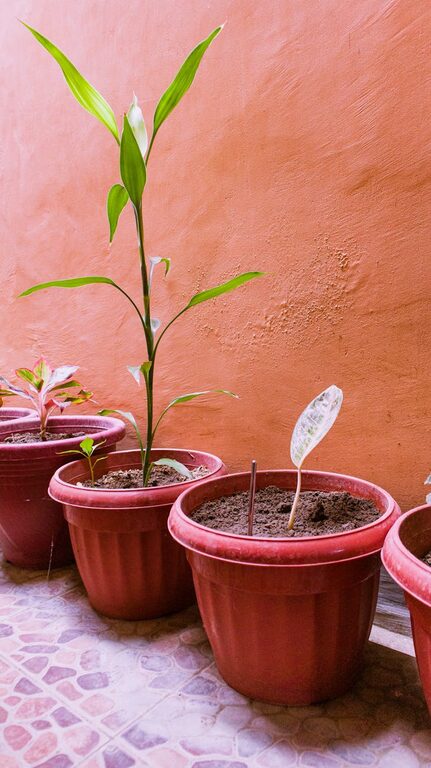
Creating a sustainable home garden is a rewarding way to connect with nature, reduce waste, and enjoy fresh produce or beautiful plants throughout the year. Sustainability in gardening means working with natural processes, minimising environmental impact, and creating a resilient space that can thrive in every season. Whether you’re a beginner or have some gardening experience, these tips will help you design and maintain a usable and eco-friendly garden all year round.
Plan for Each Season
A key to year-round gardening success is understanding what to plant and when.
Spring
Spring is ideal for planting vegetables like lettuce, peas, and radishes. It’s also the perfect time to prepare your soil by adding compost and mulch, which improves fertility and moisture retention.
Summer
During the warmer months, focus on heat-loving plants such as tomatoes, peppers, and herbs. Be ready to water regularly, ideally early morning or late evening to reduce evaporation.
Autumn
Autumn is a good time to plant root vegetables like carrots and parsnips. It’s also the season to collect seeds and prepare the garden for winter by clearing spent plants.
Winter
Although growth slows, winter is not a time to stop altogether. Protect sensitive plants with cloches or fleece, and plan next year’s crops. You can also grow hardy greens like kale and chard.
Improve Soil Health Naturally
Healthy soil is the foundation of a sustainable garden.
– Compost regularly: Recycle garden waste and kitchen scraps to create rich organic matter.
– Use mulch: Mulching conserves moisture, suppresses weeds, and enriches soil as it breaks down.
– Avoid chemicals: Choose natural pest controls and organic fertilisers to protect beneficial insects and soil life.
– Rotate crops: Changing plant locations each year helps prevent disease and nutrient depletion.
Save Water Efficiently
Water is precious, and efficient use is vital.
– Collect rainwater: Use barrels or other containers to capture rainwater for irrigation.
– Use drip irrigation or soaker hoses: These deliver water directly to roots, reducing waste.
– Water early or late in the day: This prevents evaporation and ensures plants absorb more moisture.
– Group plants by water needs: This avoids overwatering some while underwatering others.
Choose Native and Seasonal Plants
Native plants are well adapted to local climate and soil, needing less water and care. Seasonal plants thrive because they grow during their preferred times of the year, increasing your garden’s chances of success and sustainability.
Encourage Biodiversity
A garden that supports a variety of plants, insects, and wildlife tends to be healthier and more sustainable.
– Plant a variety of species: Including flowers, shrubs, and vegetables to attract beneficial insects like bees and ladybirds.
– Create habitats: Add bird feeders, insect hotels, or small ponds.
– Avoid pesticides: Natural predators can help keep pests under control.
Use Recycled and Sustainable Materials
When building garden structures, raised beds, or paths, opt for reclaimed or sustainably sourced materials. This reduces environmental impact and often saves money.
Maintain Your Garden Thoughtfully
Regular maintenance prevents larger issues and supports sustainability.
– Remove weeds by hand to minimise chemical use.
– Prune plants properly to encourage healthy growth.
– Check soil moisture and adjust watering as needed.
– Monitor for pests and diseases early to apply natural treatments promptly.
Enjoy the Process
Sustainable gardening is about more than just results — it’s about connecting with nature and learning over time. Celebrate small successes, be patient with setbacks, and allow your garden to evolve naturally.
—
By following these tips, you can create a home garden that looks after the environment while providing beauty and nourishment throughout the year. Start small, keep learning, and enjoy the benefits of sustainable gardening.